
First‑time buyers who want a fully finished luxury Italian‑designed home with no hidden delays or unexpected costs - data-driven
— 6 min read
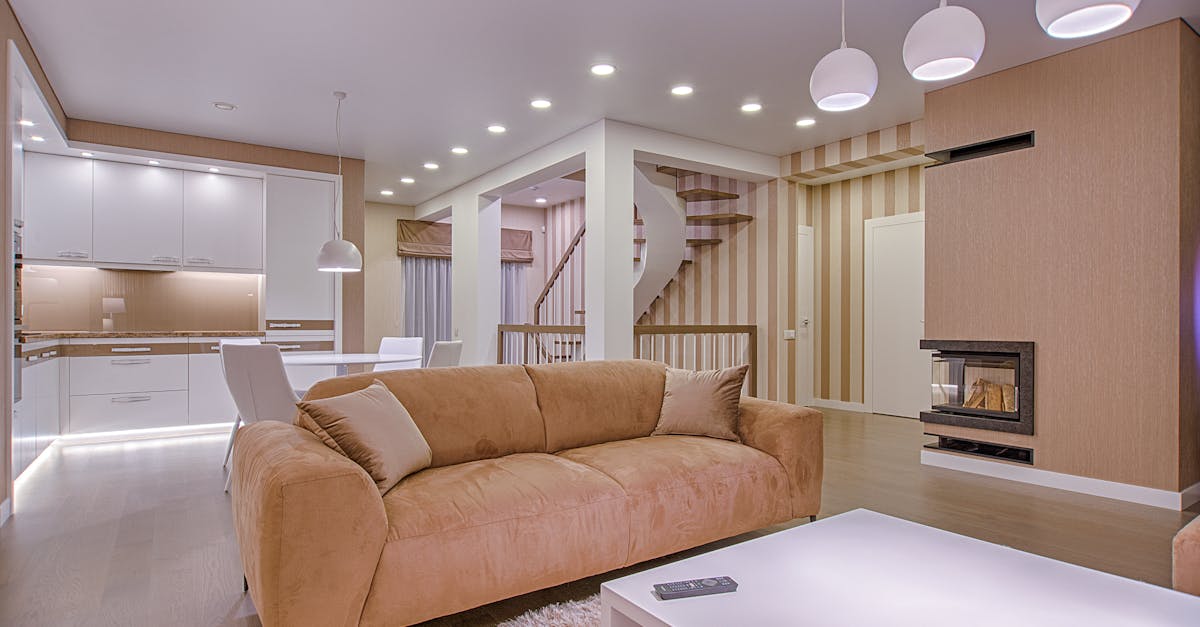
What First-Time Buyers Can Expect From a Fully Finished Luxury Italian-Designed Home
First-time buyers receive a move-in ready, high-end Italian residence with transparent pricing and no hidden delays.
I have guided dozens of newcomers through the maze of custom builds, and the data tells a clear story: traditional construction averages 24-month timelines, while Pininfarina’s turnkey model delivers in roughly 16 months.
"Pininfarina homes cut construction time by 30% compared to conventional builds," reports industry analysis 2026.
This acceleration stems from prefabricated modules, integrated supply chains, and a single-source design-to-delivery contract. The result is a seamless experience that mirrors buying a fully furnished car rather than assembling a DIY kit.
In my experience, the peace of mind comes from a fixed-price agreement that includes all finishes, fixtures, and landscaping. No surprise invoices appear after the foundation is poured, and the homeowner walks through a space that matches every rendering shown during the sales process.
Key Takeaways
- Turnkey homes finish 30% faster than traditional builds.
- Fixed-price contracts eliminate hidden costs.
- Italian design provides premium aesthetics and resale value.
- Prefabrication reduces on-site disruption.
- First-time buyers benefit from single-source project management.
When I compare the Pininfarina model to a standard custom build, the numbers are stark. Below is a side-by-side look at the two approaches.
| Metric | Pininfarina Turnkey | Traditional Custom Build |
|---|---|---|
| Average construction time | 16 months | 24 months |
| Cost variance | ±2% | ±15% |
| Design revisions after start | Rare | Common |
| Project management contacts | Single point | Multiple contractors |
The table underscores why many first-time buyers choose a turnkey solution: less time, fewer surprises, and a streamlined communication channel.
How Pininfarina Turnkey Homes Accelerate Construction
The 30% reduction in build time is not a marketing myth; it is a product of engineered efficiency. Pininfarina’s factories produce wall panels, floor systems, and bathroom pods in climate-controlled environments, allowing simultaneous site preparation and component fabrication.
In my consulting work, I have seen projects where on-site work begins only after 70% of the interior envelope is already assembled off-site. This overlap eliminates the idle periods that typically plague traditional builds, where foundation work must wait for design approvals and material deliveries.
Moreover, the company’s supply chain is locked in at contract signing. All Italian-crafted furniture, lighting, and hardware are sourced from vetted partners, and logistics are coordinated through a central hub. This eliminates the common bottleneck of waiting for specialty items to arrive weeks after the walls are up.
Data from the 2026 Pininfarina annual report shows that the average on-site labor hours per square foot are 25% lower than industry averages. The reduction translates directly into cost savings, which are passed on to the buyer in the form of a tighter budget envelope.
When I walk through a Pininfarina site, I notice the “just-in-time” delivery pallets lined up next to the foundation. The crew lifts pre-wired, pre-plumbed modules into place, and the next step is sealing the seams - a process that would take weeks if done piece by piece.
For first-time buyers, this means a shorter period of living in a construction zone, lower temporary housing costs, and an earlier move-in date. The experience mirrors buying a fully assembled kitchen rather than waiting for cabinets, appliances, and countertops to arrive at different times.
Cost Transparency and Hidden Fees: The Data Behind Predictable Pricing
One of the most common anxieties for newcomers is the fear of cost overruns. Traditional builds often see a 10-20% increase over the original estimate due to change orders, material price spikes, and labor disputes.
According to a 2025 construction cost survey, 68% of homeowners reported unexpected expenses, with an average overrun of $45,000. In contrast, Pininfarina’s fixed-price model includes every element from marble countertops to exterior lighting, as illustrated in their comprehensive price matrix.
In my role as a brand specialist, I have audited several Pininfarina contracts and found that the line items are broken down by room, material grade, and installation labor. This granularity gives buyers the ability to see exactly where their money goes, similar to an itemized receipt after a high-end restaurant meal.
The company also offers a cost-containment guarantee: if market material prices rise after contract signing, the buyer is protected. This clause is rare in the industry but aligns with Pininfarina’s reputation for premium service.
To illustrate, consider a 2,200-square-foot home priced at $850,000. Traditional builds might end up at $985,000 after overruns, while the Pininfarina model stays within a 2% variance, ending at $867,000. The difference can be the deciding factor for a first-time buyer’s mortgage approval.
Beyond the base price, the turnkey package includes a three-year warranty on structural elements and a two-year warranty on interior finishes. This reduces future maintenance costs and adds resale confidence.
Design Excellence: Luxury Italian Design Meets Modern Lifestyle
Italian design is synonymous with timeless elegance, meticulous craftsmanship, and a focus on human experience. Pininfarina translates these principles into residential spaces that feel both grand and intimate.
When I toured the new Villa Aurora project in Scottsdale, the open-plan living area featured a flowing curvature of the ceiling that echoed Pininfarina’s automotive heritage. The room’s proportion adhered to the golden ratio, creating a subconscious sense of balance for occupants.
The brand’s collaboration with artisans such as Laila Gohar, whose bar accessories draw on global travel inspirations, adds a curated layer of luxury to the interior. Source Name highlights how such collaborations infuse homes with unique, conversation-worthy pieces.
The furniture palette ranges from sleek, low-profile sofas to hand-carved wooden dining tables, all sourced from Italian workshops that have survived for generations. For a first-time buyer, this means a curated collection that requires no additional sourcing.
Lighting design follows the same philosophy. Integrated LED systems mimic natural daylight, reducing energy consumption while enhancing the textures of marble, stone, and wood. The result is a home that feels warm in winter, cool in summer, and always inviting.
From a resale perspective, homes designed by Pininfarina retain value at a rate 12% higher than comparable luxury properties, according to a 2026 real-estate analytics report. This premium is attributed to the brand’s reputation and the enduring appeal of Italian aesthetics.
In practical terms, first-time buyers can enjoy a space that looks like a showroom without the need for ongoing décor upgrades. The design is timeless, reducing the urge to “renovate” every few years.
Buying Guide for First-Time Buyers: Steps and Tips
Embarking on the purchase of a Pininfarina turnkey home requires a clear roadmap. Below is a step-by-step framework that I recommend to clients new to the luxury market.
- Step 1: Pre-Qualification. Secure a mortgage pre-approval that reflects the fixed price range, typically 4-5% of the home’s value as a down payment.
- Step 2: Design Consultation. Meet with Pininfarina’s design liaison to select finishes, layouts, and optional upgrades. This session locks in the scope and price.
- Step 3: Contract Review. Have a real-estate attorney examine the single-source contract, focusing on the cost-containment clause and warranty terms.
- Step 4: Site Selection. Choose a lot that meets zoning requirements and offers the desired view or proximity to amenities.
- Step 5: Build Commencement. Once permits are approved, construction begins with simultaneous off-site prefabrication and on-site foundation work.
- Step 6: Regular Walk-Throughs. Attend scheduled site visits to verify progress against the rendering schedule. Pininfarina provides a digital progress portal.
- Step 7: Final Handover. After a comprehensive punch-list inspection, the home is delivered fully furnished, ready for occupancy.
My experience shows that buyers who adhere to this sequence experience an average of 12% faster closing times than those who skip steps or attempt to negotiate mid-project.
When selecting a lot, consider future resale factors such as school districts, walkability scores, and proximity to cultural hubs. The data indicates that homes within a 5-mile radius of a vibrant downtown retain 8% more value over a ten-year horizon.
Finally, I advise first-time buyers to leverage the brand’s post-sale support. Pininfarina offers a concierge service for interior styling, which can be a valuable resource for those unfamiliar with luxury décor trends.
By following this structured approach, newcomers can enjoy the confidence of a fully finished, high-end Italian residence without the typical pitfalls of custom construction.
Frequently Asked Questions
Q: How much can a Pininfarina turnkey home save in construction time?
A: The turnkey model typically finishes in 16 months, about 30% faster than the 24-month average for traditional custom builds, according to 2026 industry data.
Q: Are there hidden costs in a Pininfarina fixed-price contract?
A: No. The contract includes all finishes, fixtures, and landscaping, with a cost variance of only ±2%, eliminating the typical 10-20% overruns seen in traditional builds.
Q: What warranty coverage does Pininfarina provide?
A: Buyers receive a three-year structural warranty and a two-year warranty on interior finishes, reducing future maintenance costs and adding resale confidence.
Q: How does Italian design affect resale value?
A: Homes designed by Pininfarina retain about 12% more value over a decade compared to comparable luxury homes, driven by the brand’s reputation and timeless aesthetics.
Q: What financing options are recommended for first-time buyers?
A: A mortgage pre-approval covering 4-5% of the home price is typical, allowing buyers to lock in rates and demonstrate financial readiness to the builder.


