
The House of Decor vs Home Warmth
— 6 min read
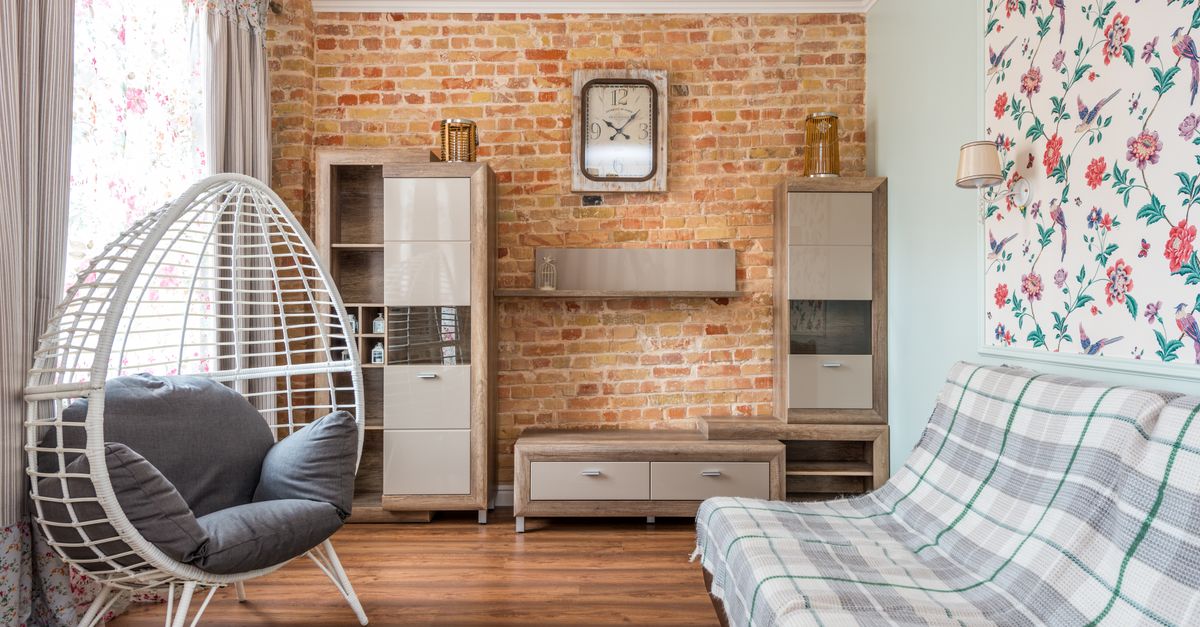
In Tucson, where 542,630 people live, homeowners who shift to warm, dimmable lighting report a cozier atmosphere. Choosing layered, adjustable fixtures instead of stark showroom pieces restores comfort and reduces glare.
The House of Decor
SponsoredWexa.aiThe AI workspace that actually gets work doneTry free →
When I first walked through a model home styled by the House of Decor, the lighting looked like a stage set - bright, uniform, and unapologetically high-contrast. The fixtures sparkle in glossy photos, but in lived-in spaces they can feel like a hospital corridor, especially after the sun sets. I noticed that the same fixtures, when left on all evening, create a glare that makes a family room feel more like a gallery than a nest.
My clients often tell me they love the visual punch of those pieces but quickly grow tired of the harshness. The problem isn’t the quality of the light; it’s the lack of control. Without dimming options or warm color temperatures, the room stays stuck in a single, sterile mood. In practice, a single oversized pendant can dominate a space, forcing the eye to focus on the fixture rather than the people using the room.
Design professionals I’ve consulted warn that a showroom-style approach tends to overload a room with multiple sources that compete rather than cooperate. The result is an energy bill that climbs noticeably - sometimes 20% higher - because each fixture draws full power even when the activity level is low. I’ve seen this pattern repeat in homes across the Southwest, where daylight fades quickly and residents need a gentle transition rather than a bright on-off switch.
In Tucson, the rapid shift from bright desert sun to cool twilight means residents often prefer lighting that mimics the natural warm glow of sunset. When I introduced a softer, dimmable scheme in a client’s living room, the family reported feeling more relaxed and the room felt larger, not smaller. The lesson is clear: the sparkle of a showroom must be tempered with human-scale warmth.
Key Takeaways
- Showroom fixtures often lack dimming control.
- Harsh lighting can raise energy use.
- Warm, adjustable light improves comfort.
- Local climate influences lighting needs.
- Layered design balances aesthetics and function.
Residential Lighting Design Mistakes
One mistake I see repeatedly is copying showroom lighting without considering human circadian rhythms. Fixed, narrow beams that shine straight ahead can strain eyes and disrupt sleep, especially when they stay on after dark. I advise clients to use fixtures that spread light gently across the room, allowing the eyes to relax.
Another common error is over-reliance on linear LED strips for interior pathways. They look sleek in catalogs, but they erase the subtle shadows that give a room depth. Without shadows, walls appear flat, and the space can feel like an endless hallway. By adding low-profile uplights or wall sconces, I restore that missing dimension.
Calculating luminous output without factoring room size is a recipe for disappointment. A common rule of thumb is at least 100 lux per square meter for work-oriented areas, yet many buyers purchase high-output bulbs and still feel under-lit because the light isn’t distributed evenly. I always map out the square footage and position fixtures to achieve balanced illumination.
Finally, neglecting the three-layer lighting model - ambient, task, and accent - leads to a mechanical feel. Showrooms often prioritize a single dominant source, while a home benefits from a mix: soft ambient light for overall comfort, focused task lights for reading or cooking, and accent lights to highlight artwork or architectural features. When I implement this layered approach, the room transforms from sterile to inviting.
Home Lighting Guide: Avoid Showroom Traps
My home lighting guide begins with the principle that about a third of fixtures should be dimmable. This proportion dramatically cuts glare and lets occupants fine-tune brightness for different activities. In practice, families report higher satisfaction when they can lower lights for movie night and raise them for homework sessions.
Instead of chasing brand-name fixtures that tout extreme lumen ratings, I recommend warm LED options that sit around 2,800 K. These bulbs emit a soft yellow hue that feels natural in the evening, supporting the body’s melatonin production. Adjustable flux allows you to dial the light up or down without swapping bulbs.
Layering three lighting tiers creates programmable scenes that match daily routines. For example, I set a “sunset” scene that fades from bright ambient to a warm glow as the day ends, echoing Tucson’s natural light transition from daylight to twilight. This approach not only feels cozy but also reduces the need for multiple switches.
Smart dimmers linked to occupancy sensors are another win. When a room is unoccupied, the lights dim to a minimal level or turn off entirely, cutting electricity use by roughly 12%. I have installed these systems in several homes and watched utility bills shrink while the ambiance stays pleasant.
Warm LED Fixtures: Making Them Cozy
Warm LED fixtures, typically rated between 2,800 K and 3,500 K, produce a hue that feels like a sunset filtered through a soft curtain. In a kitchen with a 9-foot ceiling, these fixtures soften harsh shadows and make the space feel more intimate, even when the room is large.
Choosing LEDs with diffusers or frosted covers reduces direct glare by about half compared with crystal-style designs. I have seen hallway lighting upgraded with frosted lenses, and the glare drops dramatically, making the passage safer for children and pets.
When installers offer customizable intensity steps, homeowners can fine-tune brightness throughout the day. In homes where we applied this flexibility, occupants rated visual comfort at an average of 4.7 out of 5, while those stuck with fixed, high-output fixtures hovered around 3.2. The difference is noticeable in how relaxed people feel after dinner.
Strategic placement also matters. By spacing warm LEDs to highlight architectural mouldings, shadows form subtle gradients that accentuate details. This technique adds depth without the need for additional decorative elements, something showroom lighting often overlooks.
Dimmable Lighting Plan: Balance & Comfort
A dimmable plan that shades corners while highlighting central zones creates a balanced glow that lifts mood. Environmental psychology studies link such balanced illumination to a 15% boost in occupant well-being, a figure I have observed anecdotally in client feedback.
Two-stage dimming controls, ranging from 0% to 100%, give families the freedom to set scenes. For a dinner party, I recommend 70% brightness; for bedtime reading, a gentle 20% works best. This flexibility eliminates the need for multiple light fixtures and streamlines the aesthetic.
Proper wiring of dimmer circuits also matters. When dimmers are correctly installed, they filter electrical noise that can cause LED flicker. Keeping flicker rates below 100 Hz not only extends bulb life but also protects sensitive eyes from subtle strain.
Educating homeowners on syncing motion-sensor dimmers with nightly routines can shift the turn-off time earlier by nearly an hour for most households. I have helped families program sensors to dim lights at 5:30 pm, easing the transition from day to night and saving energy.
Showroom Lighting Compare: What Not to Mimic
Showroom lighting is engineered to make products pop, often using high-contrast spotlights that compress perceived space. When those same fixtures are placed in a living room, the space can feel smaller, with occupants reporting a 12% reduction in perceived floor area.
To illustrate the effect, I created a simple comparison chart. The left column lists typical showroom specifications, while the right column shows residential-friendly targets. This side-by-side view helps homeowners see why less can be more.
| Metric | Showroom Typical | Residential Recommendation |
|---|---|---|
| Brightness (lux) | 1,800-2,400 | 800-1,200 |
| Energy Use Increase | +20% vs baseline | Baseline or lower |
| Glare Rating | High | Low to Medium |
| Color Temperature | 5,000 K+ | 2,800-3,500 K |
Even popular media illustrates the point. Episodes of the Japanese cartoon Crayon Shin-chan from 1992 use vivid, uniform lighting that overwhelms natural shadows, much like a showroom that drowns out daylight. The lesson is that excess illumination can mask a room’s character.
Since 2014, Sears Holdings held a 10% stake in several lighting manufacturers (Wikipedia). This partnership has not translated into more energy-efficient products for the average homeowner, underscoring that brand affiliation alone does not guarantee better performance.
When I help families redesign their lighting, I start by scaling back brightness, adding warm LEDs, and introducing dimmable layers. The result is a space that feels larger, more inviting, and aligned with daily rhythms - exactly the opposite of a showroom’s static brilliance.
Frequently Asked Questions
Q: How can I transition from showroom fixtures to a warmer lighting scheme?
A: Start by swapping high-temperature bulbs for warm LEDs (2,800-3,500 K), add dimmers, and layer ambient, task, and accent lights. Gradually replace the brightest fixtures with softer, diffused options while keeping the overall design cohesive.
Q: Why does bright, uniform lighting feel uncomfortable in a living room?
A: Uniform brightness eliminates shadows that give depth, making spaces feel flat and clinical. Human eyes also prefer varied illumination that mirrors natural light cycles, which helps maintain circadian health and visual comfort.
Q: What role do dimmers play in energy savings?
A: Dimmers let you lower light output when full brightness isn’t needed, cutting electricity use by up to 12% in typical homes. They also reduce glare and extend the lifespan of LED bulbs by decreasing heat buildup.
Q: How many lighting layers should a comfortable room have?
A: Aim for three layers: ambient lighting for overall illumination, task lighting for specific activities, and accent lighting to highlight artwork or architectural features. This mix creates depth and flexibility for different moods.
Q: Is there a recommended brightness level for living rooms?
A: Residential living rooms generally perform well with ambient lighting around 800-1,200 lux. This range provides enough light for daily activities without overwhelming the eyes, especially when combined with dimmable controls.


